





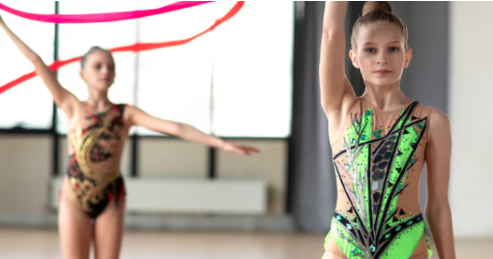
Gymnastics is a sport that demands incredible precision, strength, and flexibility, making the choice of athletic wear a vital part of a gymnast’s performance.
The right apparel does more than just look professional; it provides the necessary support and freedom of movement required for complex aerial maneuvers and floor routines.
Selecting gymnastics leotards involves a careful balance of fabric technology, fit, and aesthetic appeal to ensure the athlete feels confident and comfortable.
Whether for high-level competition or daily training sessions, understanding the technical aspects of these garments is essential for any gymnast or parent looking to make a lasting investment in their sporting equipment.
Prioritizing Fabric Composition and Elasticity
The most critical element of any athletic garment is the material used in its construction. High-quality gymnastics leotards are typically crafted from a blend of nylon and spandex or high-performance mystique fabrics that offer four-way stretch.
This elasticity is crucial because it allows the garment to move in synchronization with the athlete’s body without restricting their range of motion. It is important to choose fabrics that are both durable and breathable to help regulate body temperature during intense physical activity.
Additionally, the material should be thick enough to provide full coverage while remaining lightweight enough to ensure the gymnast can move with total agility.
Evaluating the Importance of a Secure Fit
A proper fit is essential for both safety and aesthetics in the gym. If a garment is too loose, it can become caught on equipment or cause distractions during a routine; if it is too tight, it can lead to skin irritation and restricted breathing.
When trying on gymnastics leotards, athletes should perform a few basic movements to ensure the leg openings remain secure and the shoulder straps stay in place without digging into the skin.
A well-fitted leotard should act like a second skin, providing a streamlined silhouette that allows coaches to clearly observe the gymnast’s form and alignment during practice.
Considering Comfort and Moisture Management
During long training sessions, perspiration can lead to discomfort and chafing if the garment does not possess moisture-wicking properties.
Modern gymnastics leotards often incorporate advanced textile technologies designed to pull sweat away from the skin and toward the surface of the fabric for quick evaporation. This keeps the athlete dry and prevents the garment from becoming heavy or slippery.
Furthermore, checking for flat-lock seams and soft interior linings can help minimize friction against the skin, allowing the gymnast to focus entirely on their technique rather than physical irritation.
Selecting Appropriate Neckline and Back Designs
The design of the upper portion of the garment can vary significantly based on the intended use. Competition styles often feature intricate high necks or open-back designs decorated with crystals, while training styles usually favor a classic scoop neck or racerback for maximum support.
When choosing gymnastics leotards, consider the specific requirements of the athlete’s discipline and their personal comfort preferences. For younger gymnasts, wider straps are often preferred as they provide more stability and are less likely to slip during vigorous movement on the bars or vault.
Balancing Aesthetic Style with Regulatory Requirements
Appearance plays a significant role in the presentation of a gymnastics routine, especially in a competitive setting. Vivid colors, bold patterns, and shimmering embellishments can enhance a gymnast’s confidence and help them stand out to the judges.
However, it is vital to ensure that the chosen style complies with the official dress code of the relevant sporting federation. Some organizations have strict rules regarding the length of the leg cut or the amount of transparency allowed in the design.
Balancing personal style with these professional regulations is key to ensuring the athlete is always prepared for the platform.






+ There are no comments
Add yours